← All IT services

IT service

IoT software & integration

Connect devices and sensor data to monitoring dashboards, alerts and business systems.

Useful when teams need a reliable view of connected equipment and a clear response to changing conditions.

IoT in practice

Software that makes device data useful in daily work.

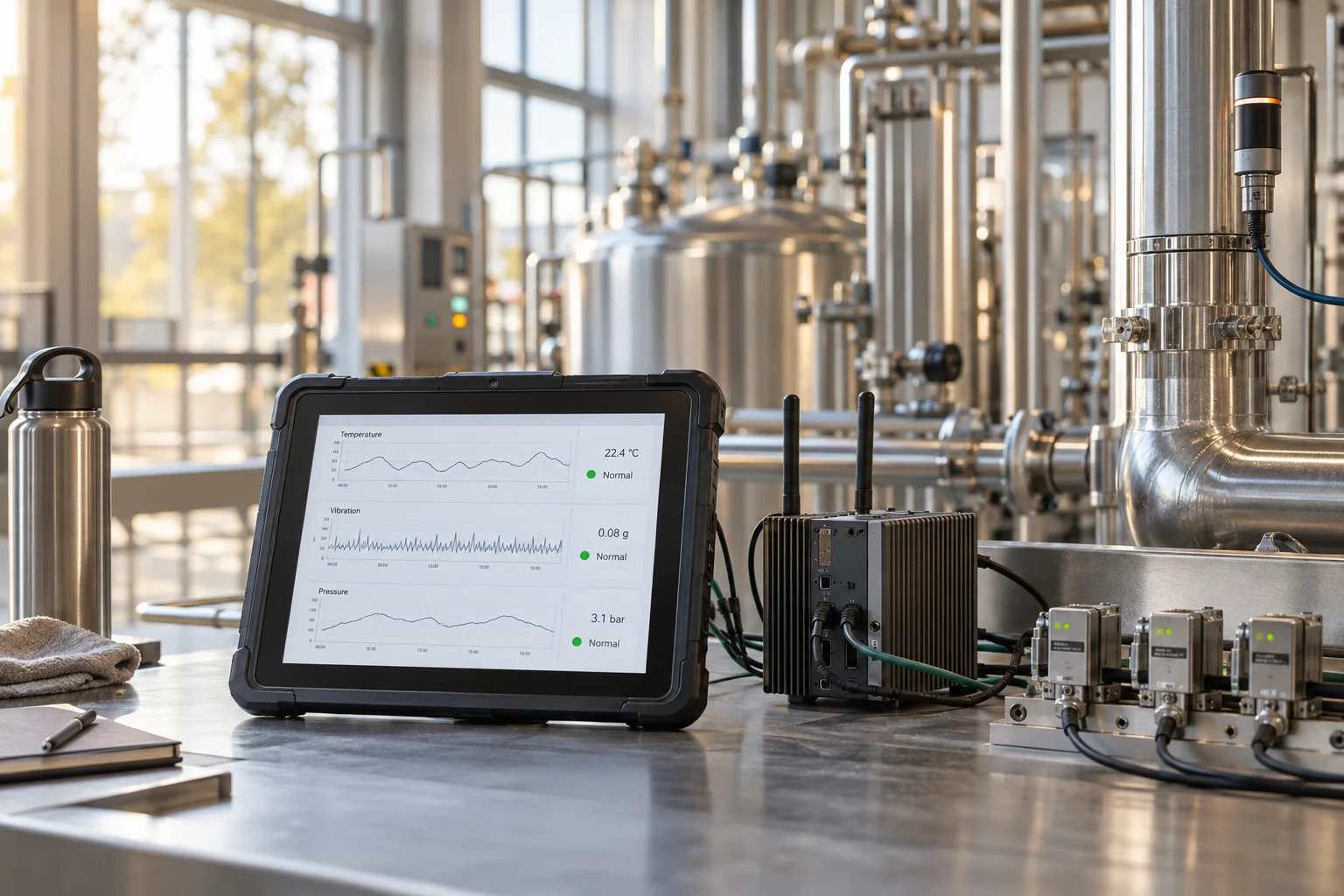
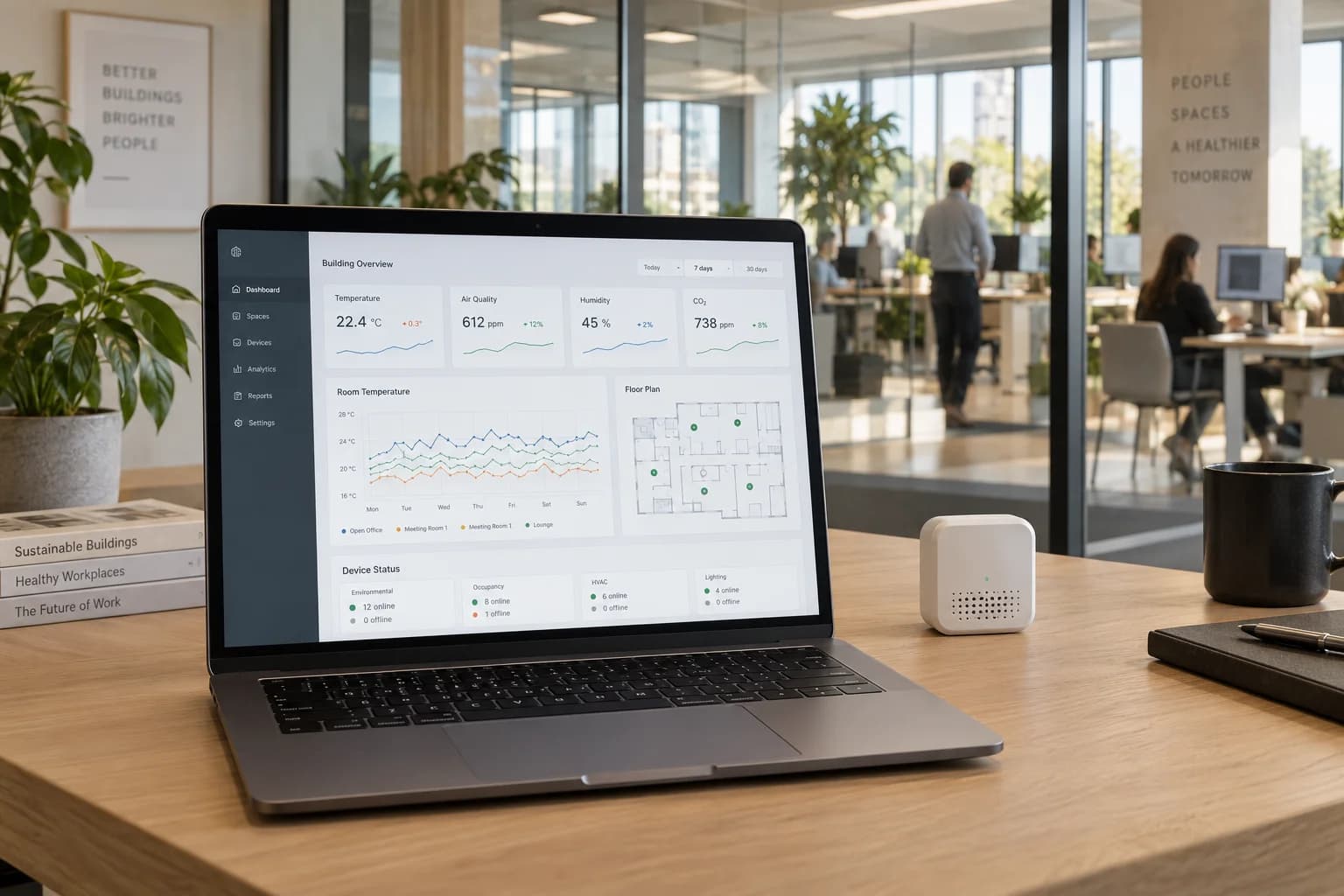
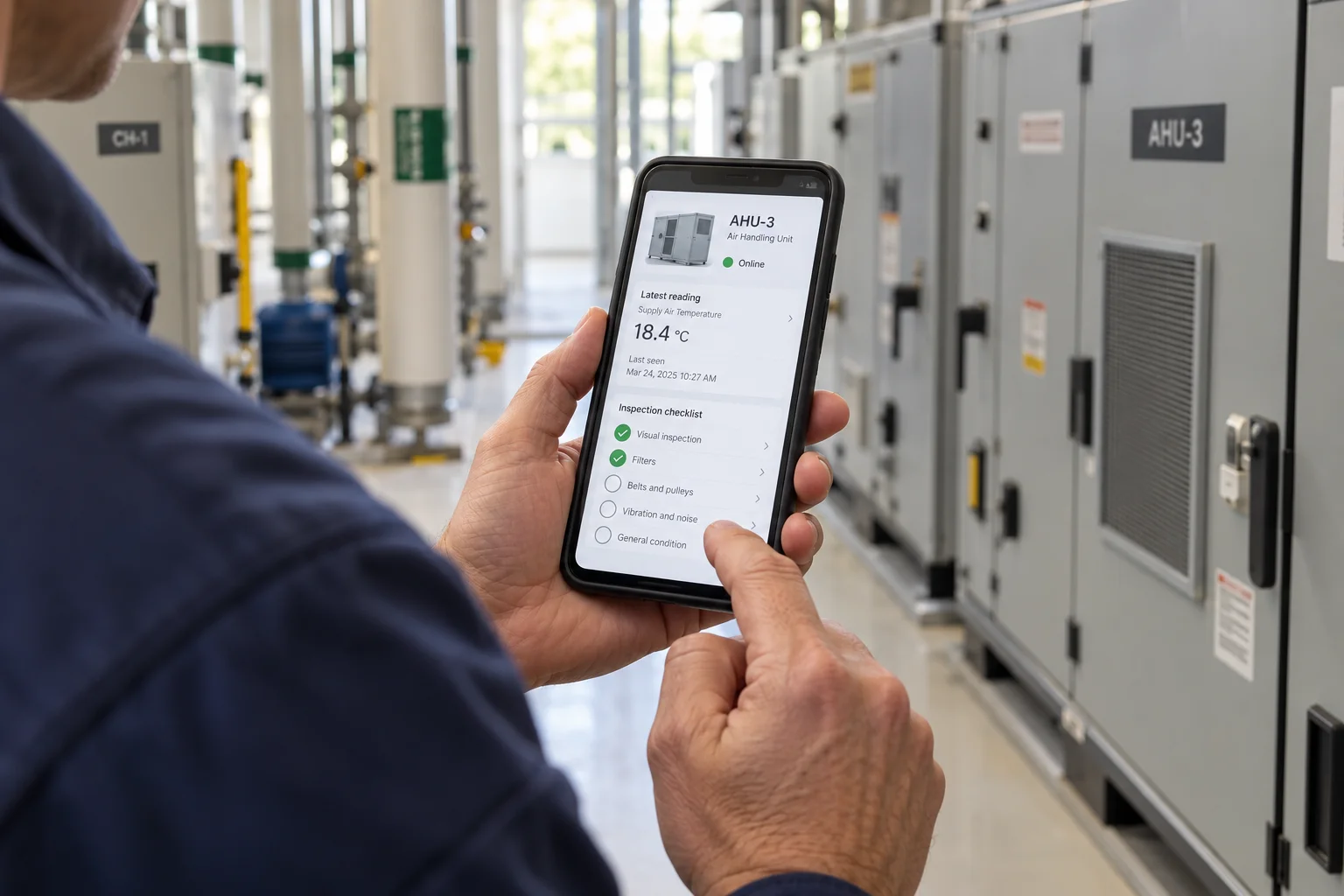
Illustrative scenarios with AI-generated visuals. Device compatibility and functionality are confirmed for each project.

Illustrative laptop dashboard with building measurements and a room sensor

See how your buildings are performing

Bring room readings and device status into one workspace. Compare locations, inspect trends and distinguish current measurements from stale data.

Room sensors → shared dashboard → operator review

Explore monitoring dashboards →
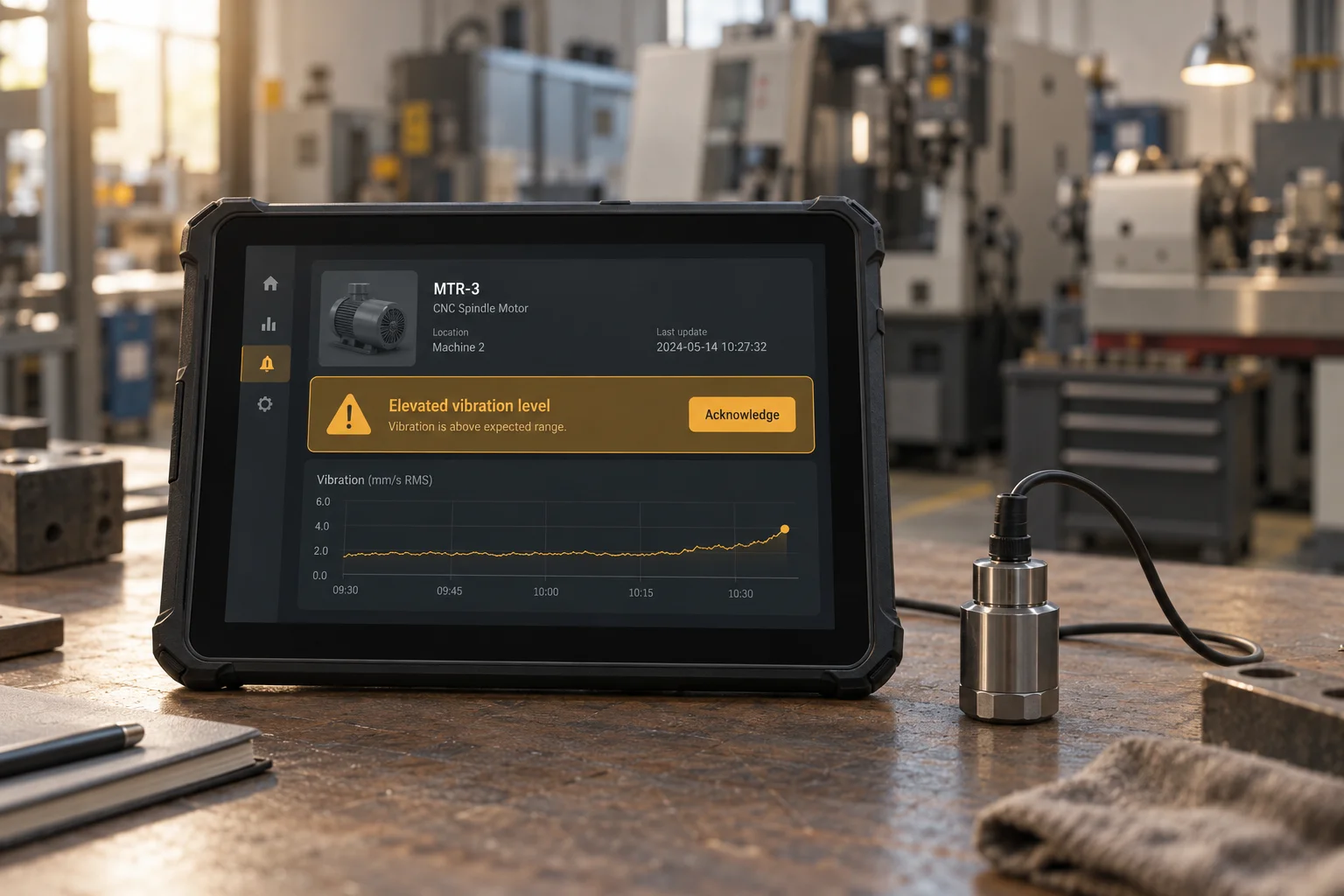
Illustrative tablet showing an equipment alert beside an industrial sensor

Turn equipment readings into action

Connect agreed thresholds to an alert workflow. Give the responsible person the device, timestamp and reading needed to investigate, acknowledge and follow up.

Equipment reading → alert rule → responsible team

Explore alerts and notifications →
Illustrative technician reviewing device status on a smartphone

Put device context in your team's hands

Give field teams mobile access to the latest device information and inspection records. Connect on-site observations to the same operational data used in the office.

Device record → mobile view → inspection update

Explore web and mobile interfaces →

Our IoT services in detail

Explore each area to see what the work can include. We combine the services your project needs and agree on deliverables before starting.

Device connectivityConnect supported devices and gateways to your software through documented interfaces.

What this can include

  • Review device documentation, authentication and test access to confirm compatibility.
  • Implement the agreed connection and reconnection behavior, with clear device identifiers and connection status.
Discuss this service
Sensor data integrationTurn incoming readings into consistent data that your applications can use.

What this can include

  • Map reading types, units, timestamps and device identifiers into a shared data model.
  • Validate incoming records, handle duplicate or missing readings, and agree storage and retention rules.
Discuss this service
Monitoring dashboardsGive teams a clear view of device health, measurements and historical trends.

What this can include

  • Build device lists, status views and filters by location or equipment group.
  • Display current and historical readings with timestamps so stale data is clearly distinguished from fresh measurements.
Discuss this service
Alerts and notificationsHelp the right people respond to changing readings or unavailable devices.

What this can include

  • Configure agreed thresholds, missing-data conditions and notification recipients.
  • Define repeat-alert handling, acknowledgement and escalation where required, then test the delivery path.
Discuss this service
Business-system integrationBring device information into the tools your team already uses.

What this can include

  • Connect agreed APIs or webhooks to internal tools, reporting systems or operational records.
  • Map records between systems and define retry, duplicate-event and integration-error handling.
Discuss this service
Cloud backend developmentProvide the application services behind connected-device workflows.

What this can include

  • Build scoped ingestion endpoints, storage, application APIs and role-based access.
  • Document hosting configuration, monitoring, expected workload and recurring infrastructure costs.
Discuss this service
Web and mobile interfacesMake device information accessible to operators, managers and field teams.

What this can include

  • Build responsive dashboards or scoped companion-app screens for the agreed user roles.
  • Connect account access, device views and approved actions; define offline and synchronization needs separately.
Discuss this service
Pilot projects and validationValidate one device type and workflow before expanding the deployment.

What this can include

  • Agree a limited device set, representative data and measurable acceptance criteria.
  • Test data quality, connection failures and alert delivery, and document findings and rollout recommendations.
Discuss this service
Maintenance and improvementsKeep the delivered software useful as devices, dependencies and workflows evolve.

What this can include

  • Scope fixes, compatibility updates, dashboard improvements and release checks against agreed priorities.
  • Agree maintenance coverage, response expectations and operating responsibilities separately; continuous response coverage is not assumed.
Discuss this service

Before rollout

Start with a focused pilot.

Choose one device type and one operational workflow. Together we define measurable acceptance criteria before adding more devices or locations.

Data quality

Check readings, units and timestamps against agreed examples. Make missing and duplicate data handling visible.

Connection behavior

Exercise disconnection and reconnection with available test devices. Clearly distinguish stale readings from current values.

Operational response

Check an alert from its source reading through to the responsible recipient. Agree ownership and escalation before rollout.

Deliverables and handover

Depending on the agreed scope, delivery can include:

  • A device integration plan covering supported interfaces, telemetry fields, access requirements and acceptance checks.
  • Software for the agreed ingestion pipeline, device views, alert rules and business-system integrations.
  • Validation against available test devices or representative data, plus setup notes, configuration and operating responsibilities.

Questions about this service

Can you connect devices we already use?

We first review the device documentation, accessible interfaces and test access. Where suitable APIs, gateways or documented protocols are available, we can scope the software integration. Compatibility is confirmed during this review.

What happens when a device loses connectivity?

We define how the application marks stale readings, handles reconnection and avoids duplicate records. Buffering on a device or gateway depends on its capabilities and must be agreed as part of the integration.

Does this include ongoing monitoring and support?

Monitoring views and alert configuration can be included. Alert recipients, response coverage, maintenance and recurring infrastructure costs are agreed separately.

Discuss your project

What to share in your inquiry

  • Device models and existing gateways
  • Interface or API documentation
  • Sample readings without confidential data
  • Device count, locations and reading frequency
  • Connectivity conditions and the intended workflow

Device compatibility is confirmed after reviewing the documentation and available test access. We can clarify any missing information together.

Send a service inquiry →

Before we begin

Before work begins, we agree on deliverables, timing, cost and required access.

We reply by email and arrange a call if useful.